
Knee Replacement Surgery
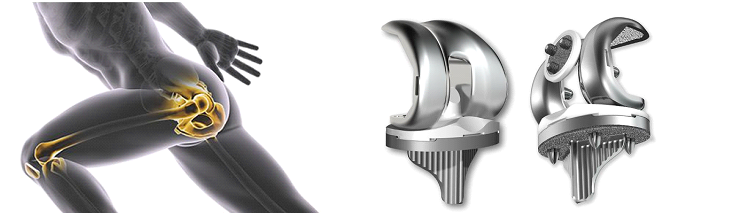
Expert Total Knee Replacement & Knee Replacement Surgery in Worcestershire
Living with chronic knee pain can make everyday activities such as walking, climbing stairs, or getting out of a chair increasingly difficult. If knee arthritis or joint damage is affecting your quality of life and conservative treatments are no longer providing relief, knee replacement surgery may be an effective solution.
Mr. Shahzad Sadiq is a Consultant Orthopaedic & Trauma Surgeon with extensive experience in diagnosing and treating conditions affecting the knee joint. He provides personalised care, guiding patients from their initial consultation through surgery, rehabilitation, and recovery.
Whether you are considering surgery for the first time or seeking advice about persistent knee pain, Mr. Sadiq will carefully assess your condition and recommend the most appropriate treatment based on your individual needs.
What Is Knee Replacement Surgery?
Knee replacement surgery (also known as knee arthroplasty) is a procedure that replaces worn or damaged surfaces of the knee joint with artificial components designed to restore movement, reduce pain, and improve function.
The operation is commonly recommended for patients whose knee pain significantly affects daily activities despite non-surgical treatments such as:
- Physiotherapy
- Pain relief medication
- Lifestyle modifications
- Weight management
- Knee injections
- Walking aids
The aim of surgery is to help patients return to a more active and comfortable lifestyle.
When Might Knee Replacement Be Recommended?
You may benefit from a specialist assessment if you experience:
- Persistent knee pain that limits daily activities
- Difficulty walking or climbing stairs
- Pain that interrupts sleep
- Knee stiffness reducing mobility
- Swelling that does not improve
- Bowing or deformity of the knee
- Limited benefit from medication or physiotherapy
Not everyone with knee pain requires surgery. During your consultation, Mr. Sadiq will explain all suitable treatment options before recommending an operation.
Conditions Commonly Treated
Knee replacement surgery is most frequently performed for:
- Osteoarthritis
- Rheumatoid arthritis
- Post-traumatic arthritis
- Advanced cartilage wear
- Severe joint degeneration
Total and Partial Knee Replacement
Mr. Shahzad Sadiq specialises in Total Knee Replacement, the most commonly performed knee replacement procedure for patients with advanced arthritis affecting multiple parts of the knee.
A Total Knee Replacement involves replacing the damaged surfaces of the entire knee joint with artificial components. For many patients with widespread arthritis, this provides excellent pain relief, improved function, and durable long-term outcomes.
Partial Knee Replacement replaces only the damaged compartment of the knee while preserving healthy bone and cartilage. This procedure is suitable only for carefully selected patients whose arthritis is confined to one area of the knee.
During your consultation, Mr. Sadiq will perform a comprehensive clinical assessment and review your imaging to determine whether a Total or Partial Knee Replacement is the most appropriate treatment. Where appropriate, he will recommend the option most likely to provide the best long-term outcome for your individual condition.
Your Consultation
Your appointment includes a comprehensive assessment of your symptoms, lifestyle, medical history, and previous treatments.
This typically includes:
- Discussion of symptoms
- Physical examination
- Review of X-rays or MRI scans
- Diagnosis
- Discussion of treatment options
- Opportunity to ask questions
The goal is to ensure you fully understand your condition and the available treatment options before making any decisions.
What Happens During Surgery?
Knee replacement surgery is performed under either general anaesthetic or spinal anaesthetic, depending on your individual circumstances.
During the procedure:
- Damaged cartilage and worn bone are carefully removed.
- The joint surfaces are prepared.
- Artificial components are securely implanted.
- The new joint is checked for alignment and movement.
- The incision is closed.
The procedure usually takes between 1 and 2 hours, although this may vary depending on individual circumstances.
Recovery After Knee Replacement
Recovery is gradual and supported by a structured rehabilitation programme.
Most patients:
- Begin walking with assistance shortly after surgery
- Start physiotherapy soon after the operation
- Gradually improve strength and mobility over several weeks
- Continue rehabilitation exercises at home
Recovery times vary between individuals depending on age, general health, and commitment to rehabilitation.
Benefits of Knee Replacement Surgery
Many patients experience:
- Significant reduction in knee pain
- Improved mobility
- Better joint function
- Increased independence
- Improved quality of life
- Greater confidence performing everyday activities
Individual outcomes vary, and these will be discussed during your consultation.
Why Choose Mr. Shahzad Sadiq?
Patients choose Mr. Shahzad Sadiq because of his:
- Extensive experience in hip and knee surgery
- Consultant-led care from consultation through recovery
- Patient-centred approach
- Evidence-based treatment recommendations
- Commitment to clear communication and shared decision-making
Every treatment plan is tailored to the individual patient's needs, goals, and overall health.
What is the difference between a total and partial knee replacement?
A total knee replacement involves replacing all of the damaged surfaces within the knee joint, whereas a partial knee replacement replaces only the affected compartment while preserving healthy bone and cartilage. Not every patient is suitable for a partial knee replacement. Following a comprehensive assessment, Mr. Shahzad Sadiq will recommend the procedure that best suits your individual condition and long-term goals.
How long does a knee replacement last?
Modern knee replacements are designed to be durable, and many continue to function well for 15–20 years or longer, although longevity depends on several individual factors.
How long will I stay in hospital?
Many patients stay for one to three days, although this varies depending on recovery progress and individual circumstances.
Will I need physiotherapy?
Yes. Physiotherapy plays an important role in regaining movement, strength, and function after surgery.
When can I drive again?
Driving should only resume when you can safely control the vehicle and your healthcare team advises it is appropriate.
Is knee replacement painful?
Some discomfort is expected after surgery, but pain is managed with medication and rehabilitation. Most patients notice gradual improvement as recovery progresses.
Book a Consultation
If persistent knee pain is affecting your daily life, arranging a specialist consultation is the first step towards understanding your treatment options.
Mr. Shahzad Sadiq provides comprehensive assessment and personalised care to help patients make informed decisions about knee replacement surgery.